The Japanese word for crisis is kiki.
The first part of the word means danger and the second, opportunity. I like this word because I believe that concentrating on danger is numbing, while opening yourself up to opportunities is working towards solutions. This book is about the worldwide food crisis and the opportunities you have to do something about it.
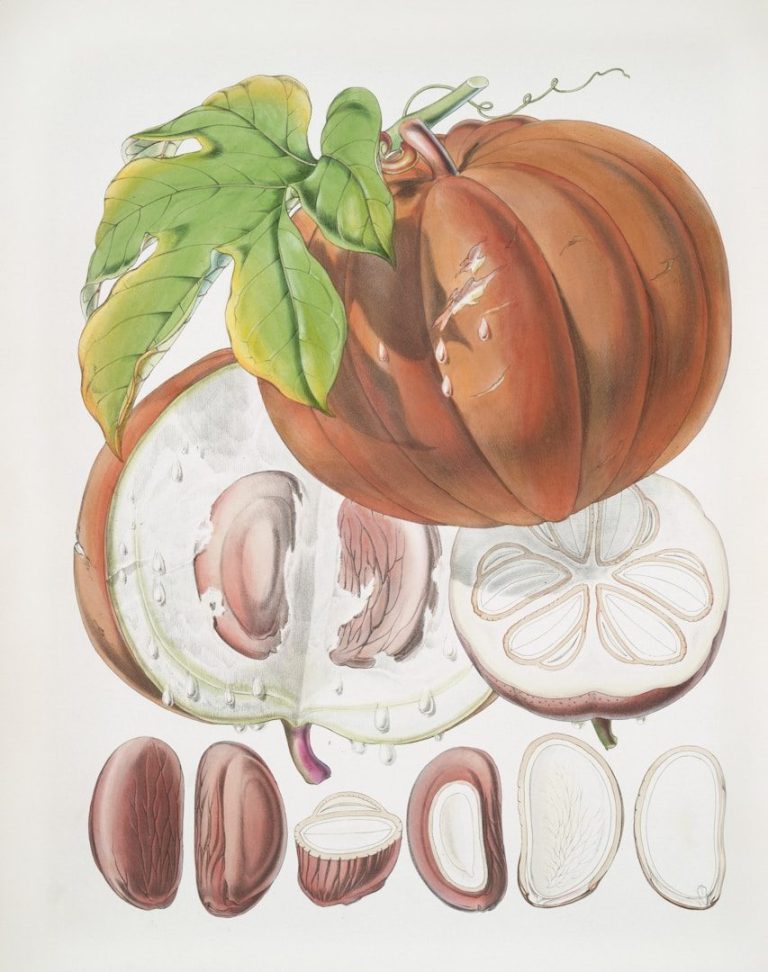
Every day more and more people all over the world are going to bed on an empty stomach. One out of nine people are hungry every day, yet one out of three people are overweight or obese. One in three people suffer from some form of malnutrition, yet 1.3 billion tons of food are wasted per year. Vitamin A deficiency is the leading cause of preventable blindness in children, while one cup of pumpkin can provide 171% of the daily need in provitamin A.
So, what is wrong with this picture? The problem is complex and I can not presume to fully understand it. What is clear to me, though, is that there is imbalance – imbalance in distribution of resources; imbalance in knowledge; imbalance in survival skills. 85 of the richest people have the same amount of money as 3,5 billion of the poorest people.
So, what can I do about it? We cannot all be directly involved in redistributing food and money. Yet, every single one of us, can be part of the solution! It starts in your own kitchen, your own balcony your own garden! This is an easy guide for all sorts of situations: whether you have a garden or not, whether you have money or not. This is where you learn the basic skills and then pay it forward.
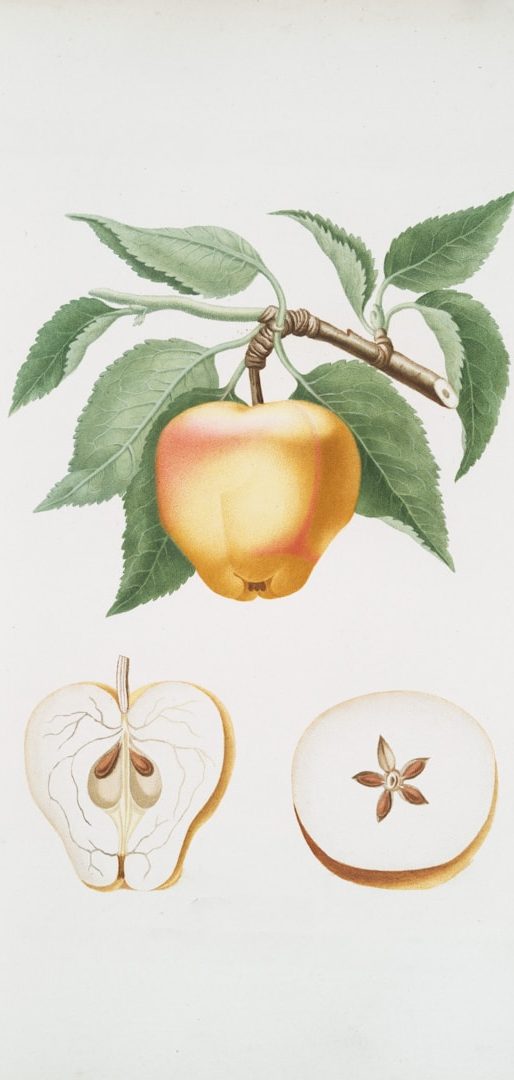
First be convinced that there is a solution – sow a seed. Then work on your own skills – water, feed & weed. Start thinking bigger – plant some trees, act even broader – save the bees and other beasties and finally spread the word – care & share.
But first sow a seed...
The Sow a Seed Circle
The Sow a Seed circle forms the basis of this method, with five steps:
1. Sow a Seed
2. Water, Weed & Feed
3. Plant some Trees
4. Save the Bees
5. Care & Share
We start with easy steps and then build on these as we go along to develop your skills. For instance, we start with the basics of veggy gardening and build up food forest gardening. I have matched the permaculture principles to these skills. You choose in which order you want to read.
I use the most popular English names for plants but do not be surprised if it called something else where you live. The botanical or Latin name is always the same all over the world. For this reason, I add the botanical name in brackets. This will help you to find the correct plant, or at least the correct plant family, suitable for your local conditions.
Your Situation
People living in the United States of America or the United Kingdom are fortunate as lots of English language books and websites on gardening are written with these gardeners in mind. Now and again authors in other parts of the world share their knowledge with us. Occasionally the focus is on specific situations like dry gardens, balcony gardens or the greenhouse. Most of us try to adapt this information to our situations with more or less success. This website is meant for people in any part of the world. Because it is about survival gardening, I have developed a model based on the most the critical factors for a productive garden: your spending, the size of your garden, the amount of sun and water. These are colour coded in situation buttons, giving you tips on your own specific situation. Read more...
Every situation is different, even within the same country. I grew up in South Africa. In Pretoria I thought I had an easy-going vegetable garden but once I moved to Durban it got even simpler. There I could stick the top of a pineapple in the soil and leave it to grow into a pineapple producing plant on its own. I now live in the Netherlands — a well-developed country where food is readily available. We can buy almost all our groceries with a free range or organic label. I have an average income, a small garden with lots of shade and plenty water. The summers are short and hours of sunlight feel even shorter. The frost-free period starts mid-May and lasts until mid-October. I certainly can not stick pineapples in the soil and expect anything but compost from them! I had to learn to make hay while the sun shines. Add to this my personal conviction of wanting to live in a sustainable way and you get an idea of my situation. Within these parameters I had to relearn skills, practicing them repeatedly to create my own survival garden.
I am not one for conspiracy theories and doubt that I would ever really have to go without food for an extended period but never say never. Things can change suddenly and drastically. Producing my own food gives me the satisfaction of knowing that I could survive if I had too. Also, I want to know what goes into my mouth. Healthy food to me means no pesticides, herbicides and fertilizers. It has been a steep learning curve. It made me realise that even though I know the basics - I am a qualified landscape architect - my fingers are not quite as green as I thought. My poor chickens had to make do with my unwittingly neglecting them during my “apprenticeship.” I had to develop the skills of animal husbandry — something I would rather learn gradually, than under pressure. Heaven forbid climate change becomes so dramatic that the entire world changes into a dystopia. Nevertheless, I would like to know that I am able to provide in the basic needs of my family even when food becomes more expensive and other resources scarce. Knowing that I can grow my own vegetables and fruit gives me a feeling of self-confidence. It is liberating!
My partner does not like gardening. In fact - he cannot even take care of a pot of parsley on his windowsill. But he does encourage me. He likes to watch me working in the greenhouse while he is writing and he loves cooking with my produce, especially the exotic herbs. He will do some of the heavy lifting for me, replace the soil in my greenhouse, or wait patiently while I scrutinize the garden alley at the builder’s depot. And we have an enjoyable time analysing the chicken antics!
Your situation may be quite different. You may be one of the millions of people going hungry every day, living in arid conditions and without money. I do hope that I can give you hope. On the other end of the spectrum, you may have ample means, live in a temperate region but are concerned about the future of this planet. I hope you are inspired.
Trying to reduce complicated situations to a theoretical model often means making it look straightforward. The Sow a Seed model I use is no different. See it as a starting point. I hope that, taking these five steps towards your own food security, you too will believe that there is a solution for your specific situation.
Even though I am fortunate enough to have an average income I still cannot afford expensive seeds, the latest gardening equipment or fancy chicken runs. Things I do to save money, include saving my own seeds and watering my garden with rainwater. I did buy a new greenhouse which is a blessing in this climate but my partner built a henhouse out of scrap wood.